
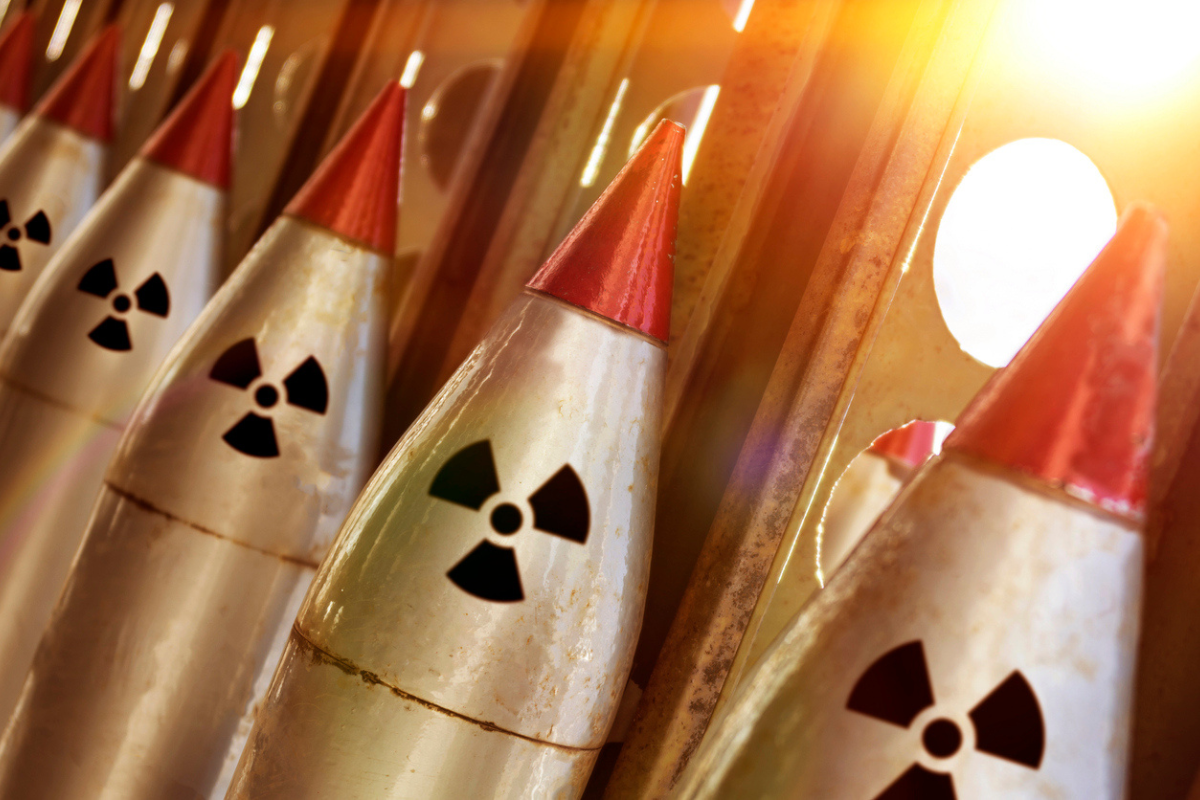





More than two million sensitive documents found in a publicly accessible database have revealed extensive details about the modernization and expansion of Russia’s nuclear weapons infrastructure, according to an investigation published Wednesday by Danish outlet Danwatch and German magazine Der Spiegel.
The documents include detailed architectural plans of Strategic Missile Forces bases near Yasny in Russia’s Orenburg region, which house the Avangard hypersonic glide vehicle—one of the most advanced elements in Russia’s nuclear arsenal. These blueprints offer unprecedented insight into the internal layout and infrastructure of Russia’s nuclear forces.
“Until now, we have only been able to monitor these bases from above using satellite imagery,” said Hans M. Kristensen, director of the Nuclear Information Project at the Federation of American Scientists. “Now, with the help of these unique drawings, we can for the first time get inside the buildings and all the way underground. It’s completely unprecedented.”
The leaked files detail how numerous nuclear installations have been demolished and rebuilt over the past decade. The modernization efforts include the construction of hundreds of new barracks, command centers, watchtowers, and an elaborate network of underground tunnels connecting buildings within the bases.
Included in the material are construction blueprints, schematics of security systems, and diagrams showing internal signage—messages such as “Stop! Turn around! Forbidden zone!,” “The Military Oath,” and “Rules for shoe care” were documented within facilities. The files further reveal technical aspects such as electricity and water supply networks, IT infrastructure, alarm systems, sensor placements, and the use of reinforced structures designed to withstand external attacks.
The documents also provide a rare glimpse into the daily life of personnel at these bases, including inventories of gym equipment and recreational items like chess and checkers.
“This material is the ultimate intelligence,” said Philip Ingram, a former intelligence officer with the British Army. “If you can understand how the electricity is conducted or where the water comes from, and you can see how the different things are connected in the systems, then you can identify strengths and weaknesses and find a weak point to attack.”
Tom Røseth, senior lecturer in intelligence studies at the Norwegian Defense Command and Staff College, emphasized the significance of understanding the scale of Russia’s nuclear modernization efforts. “It’s important that we have a correct understanding of the situation, because there are still many who don’t fully recognize the situation Europe is in now, which is a fundamental shift in security policy,” he said.
Røseth added that the revelations are of public concern, especially given Russia’s repeated references to nuclear weapons amid the ongoing war in Ukraine. “It has public relevance that Russia is capable—and it’s even more important because they have adjusted their nuclear doctrine and now have a lower threshold for the use of nuclear weapons.”
Despite increasingly stringent security measures and a closed procurement system limited to approved domestic contractors, Russian defense agencies have continued to attach classified documents to public tenders. Danwatch and Der Spiegel found sensitive material linked to procurement listings as recently as mid-2024. Russia’s Ministry of Defense did not respond to requests for comment regarding the leak.
© 2025, Lyonsdown Limited. teiss® is a registered trademark of Lyonsdown Ltd. VAT registration number: 830519543