HSBC has appointed David Rice as its first ever Chief AI Officer, the British bank said on Monday, as it seeks to cut costs by increasing the use of generative AI technology across its businesses worldwide.
Law enforcement agencies in the United States, Germany and Canada have carried out an operation to take down infrastructure used by four major botnets that infected more than 3 million devices worldwide.
Tencent Holdings reported a 13% increase in fourth-quarter revenue on Wednesday, driven by strong demand for gaming and growth in its artificial intelligence services, cementing its position as China’s largest social media and gaming company.
Nvidia has won Beijing’s approval to sell its second-most powerful artificial intelligence chips to China and is also preparing a version of the Groq AI chip that can be sold to the Chinese market, sources familiar with the matter said.
The Trump administration said in a Tuesday court filing that the Pentagon’s blacklisting of Anthropic was justified and lawful, opposing the artificial intelligence lab’s high-stakes lawsuit challenging the decision.
Artificial intelligence is rapidly becoming embedded in everyday business operations. Organisations are using it to automate workflows, analyse vast amounts of data and improve decision-making. But the same technologies are also reshaping the cyber-threat landscape.
The NIS2 Directive marks a decisive escalation in Europe’s approach to cyber-security. Replacing the 2016 Network and Information Security Directive, it expands regulatory scope, tightens reporting timelines and embeds cyber-risk oversight at board level.
In today’s digital economy, managing cyber-risk is no longer purely a technology issue. Organisations must balance innovation and operational efficiency with regulatory compliance and legal accountability.
More than 47,000 people have filed claims in a class action settlement tied to the 2024 data breach of RIBridges, Rhode Island’s public benefits and health insurance portal, reflecting an unusually high participation rate as the case moves toward final approval in federal court.
Many organisations focus on quantity over quality, so that CTI teams are generating more reports rather than understanding threats relevant to their environment
Not every cyber-attack announces itself with locked systems or public disruption – some of the most damaging threats work quietly in the background, going unnoticed for weeks or even months
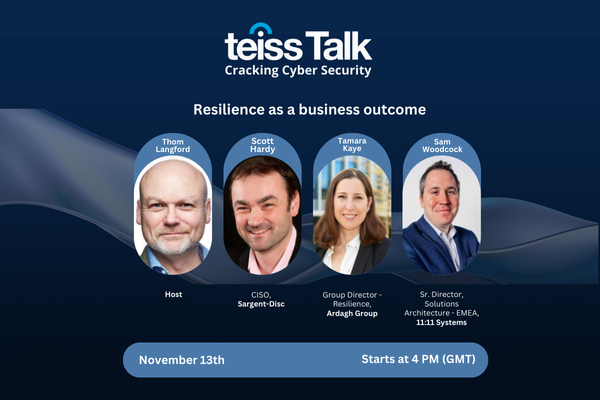
From zero-day exploits and third-party exposure to the realities of recovery and resilience, this discussion examines why cyber risk can no longer sit solely with CISOs.