



ao link
Menu
Teiss - Cracking Cyber Security

The dangers of biometric data breaches

Michael Marcotte at Artius.iD argues that the biggest threat facing banks right now is a biometric data breach, and most are sitting ducks


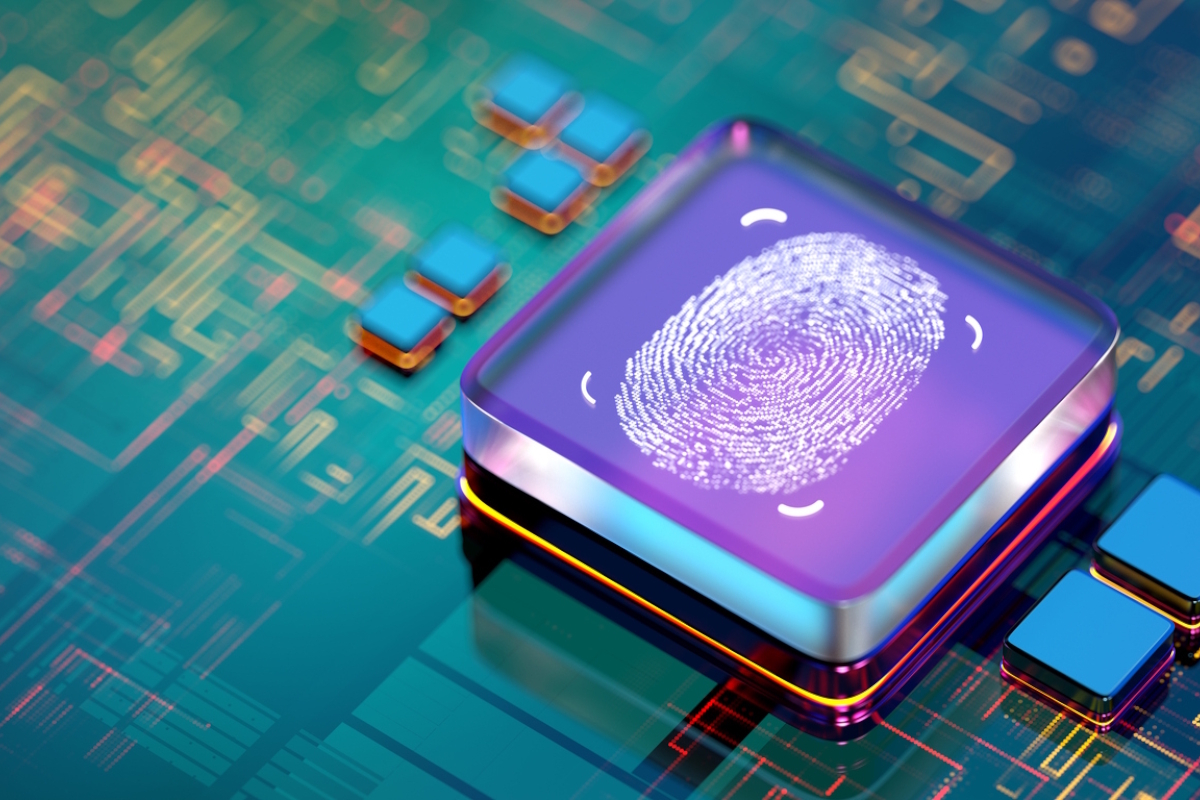
Biometric data – your face, fingerprint, voice – is the key to digital identity. And while it makes logging in smoother for customers, it’s also the ultimate prize for cyber-criminals.


Here’s the danger: most banks are still storing this incredibly sensitive data in centralised databases. One vault. One key. One breach. And millions of digital identities could be compromised in one go.


This isn’t hypothetical. Biometric-related cyber-attacks are escalating. In India, an unsecured database exposed 1.6 million records, including facial and fingerprint scans, many belonging to military personnel and police officers.


And still, banks are ignoring the elephant in the server room.


A centralised biometric vault is a hacker’s dream. Once stolen, biometric data can’t be reissued or reset. You can’t change your fingerprint like a password. You can’t replace your face or swap out your thumb.


We are walking into a full-blown identity crisis, and most banks don’t realise it yet. What’s worse is that the solution is right there in front of us.


There is a fix that doesn’t require new technology or far-off innovation. The solution is to decentralise biometric data, shifting storage away from banks’ on-prem or cloud storage systems and putting it into the hands of customers, locally encrypted on their own devices.


We need to remove the single point of failure and let people hold the keys to their own identity. Why?


First of all, the tech is ready.


Decentralisation isn’t science fiction; it’s complex, but it’s doable. The best bit is the hardware and protocols already exist in the same devices people keep in their pockets.


If your iPhone can securely store your face scan, why does your bank need to keep a duplicate copy in its own vulnerable database? Most modern smartphones already come equipped with local encryption strong enough to keep biometric data locked down. And single-case biometric storage isn’t worth a cyber-criminal’s time.


I have seen some institutions begin to catch on. JPMorgan Chase, for instance, has decentralised interbank data exchange, not for security, but for efficiency. The tools are already here. Banks just need to use them in the right way.


Secondly, this is an issue of sovereignty and trust.


Decentralisation doesn’t just mean better security. It means returning ownership of identity to individuals.


And right now, that’s more important than ever. Public trust in large institutions is at a historic low. Some 80% of Americans believe companies misuse their data, and an equal share say they feel they lack control over what’s collected.


By letting customers store and manage their own biometric data securely, banks can begin to rebuild that trust. They shift from hoarding sensitive data to enabling digital self-sovereignty. It’s not just safer; it’s smarter.


This is the kind of trust-building the industry desperately needs.


Thirdly, this is a risk management imperative.


By that, I mean it’s not just about doing the right thing; it’s about avoiding catastrophe. If we make even the most self-interested understand this point, they will have to be on board.


Let’s be clear: if a major bank like Wells Fargo or HSBC suffers a centralised biometric breach, the consequences could break the entire financial system. I’m not talking about an embarrassing PR story. I mean identity theft on an enormous scale, reputational damage, and a collapse of consumer confidence.


Further, the ensuing lawsuit alone could bankrupt the institution in question. The contagion effect would ripple across markets, regulators, and entire financial ecosystems.


In fact, I’m willing to say the next financial meltdown won’t come from risky derivatives or failing banking business models, but from compromised servers full of digital faces and voices.


The alarm bells are already ringing; it’s time the industry listened up. The clock is ticking, the technology is here, and banks need to act.


If banks don’t act now, they’re not just risking individual customer identities. They’re risking the stability of the financial system itself.


The fix is clear: decentralise biometric data. Let customers hold the keys to their own identity. Stop creating honeypots for hackers. Start protecting what truly matters.


The technology is here. The need is urgent. All that’s missing is action. 


Michael Marcotte is co-founder of the US National Cybersecurity Center (NCC) and founder, Chairman and CEO of artius.iD


Main image courtesy of iStocKPhoto.com and Vertigo3d


Please take 30 seconds to register

Register Now


Already have an account? Sign in

Remember Login
Teiss - Cracking Cyber Security

Subscribe to our Weekly Newsletter

Receive the latest insights direct to your inbox, and gain access to our exclusive events.
Teiss - Cracking Cyber Security

Winstone House, 3rd Floor,
Units 306-309, 2-4 Dollis park,
London, N3 1HF


020 8349 4363

info@teiss.co.uk

 © 2026, Lyonsdown Limited. teiss® is a registered trademark of Lyonsdown Ltd. VAT registration number: 830519543