
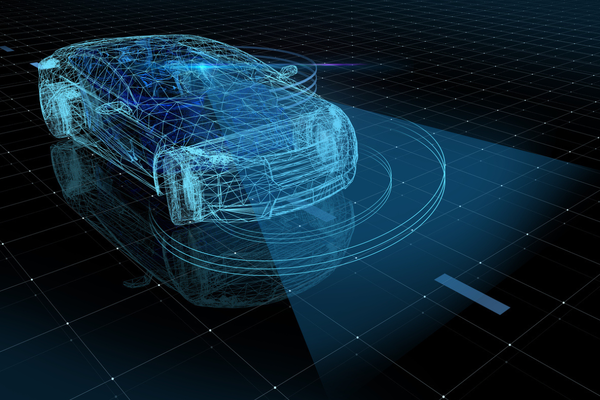





The United States has announced a new rule prohibiting the import and use of certain Chinese and Russian connected car technologies, citing significant national security concerns.
The regulation, unveiled by the Department of Commerce, targets Vehicle Connectivity Systems (VCS) and Automated Driving Systems (ADS) used in passenger vehicles. The ban extends to software and hardware that enable features such as GPS, Wi-Fi, and self-driving capabilities. The rule also applies to US-manufactured cars that incorporate these foreign technologies.
Commerce Secretary Gina Raimondo described modern cars as "computers on wheels" and warned of the risks posed by adversaries accessing personal data or even controlling vehicles remotely. "This rule is a necessary step to safeguard American privacy and protect critical infrastructure from foreign interference," she said.
The regulation follows growing concerns over cyberattacks from Chinese and Russian state-backed actors, including potential espionage and disruption of US transportation systems. A White House statement highlighted threats from Chinese-linked groups like Volt Typhoon, accused of targeting critical infrastructure.
Under the new rule, software products will be banned from January 2026, while hardware components face restrictions starting in January 2029. Automakers and importers must submit annual compliance declarations to demonstrate adherence.
The measure currently applies to passenger vehicles but could expand to include commercial transport, with officials pointing to supply chain vulnerabilities.
John Bozzella, CEO of the Alliance for Automotive Innovation, expressed support for the rule, calling it a balanced approach. "Changing the world’s most complex supply chain cannot happen overnight," he said.
By addressing the risks posed by foreign technologies, the US aims to protect sensitive data and reduce exposure to potential cyber threats.
© 2025, Lyonsdown Limited. teiss® is a registered trademark of Lyonsdown Ltd. VAT registration number: 830519543