


The hidden attack surface inside today’s supply chains
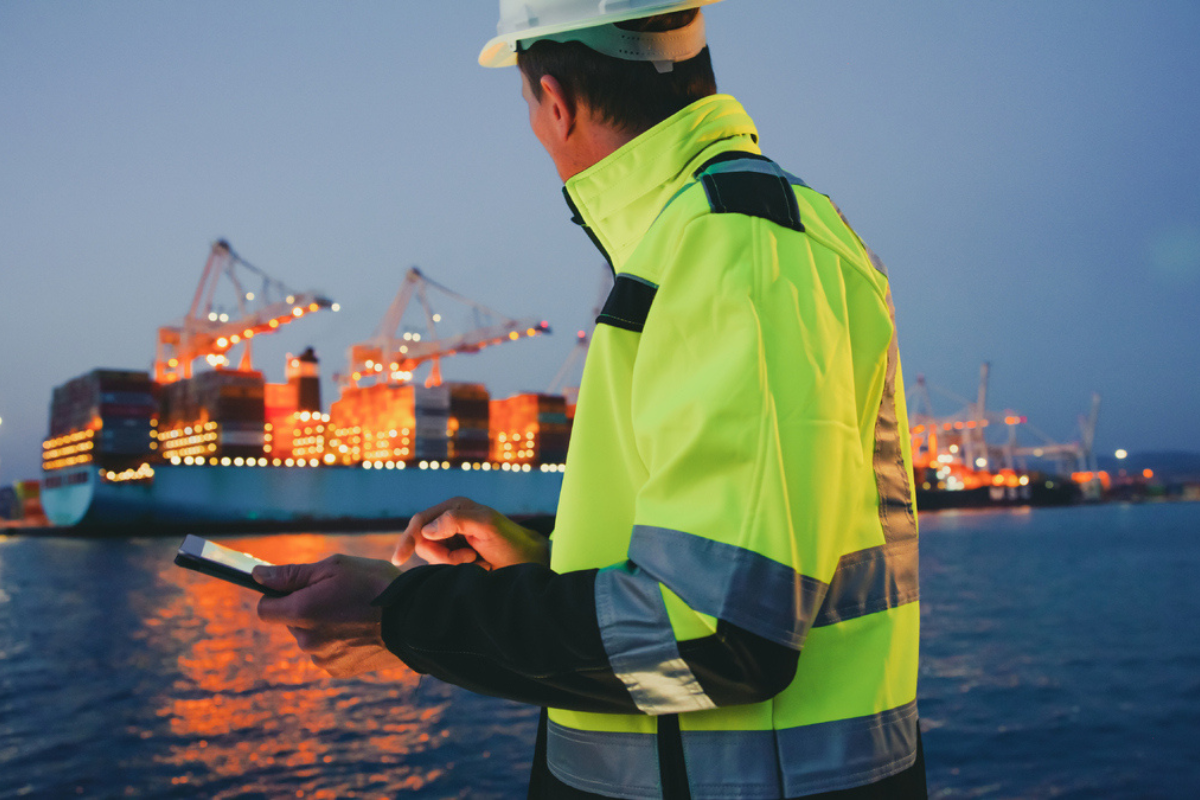
Supply chains have always been complex, but recent years have made them far harder to predict. Global disruption, geopolitical tension, cyber-attacks and simple human error have all exposed how fragile many supply networks really are.
As a result, organisations are increasingly turning to artificial intelligence and automation not just to improve efficiency, but to strengthen security across their supply chains.
One of the biggest challenges in supply chain security is visibility. Large organisations often rely on hundreds or thousands of third-party suppliers, many of which sit outside traditional security oversight.
AI is helping to close that gap by analysing vast amounts of supplier data to identify patterns, anomalies and potential risks that would be difficult for human teams to spot alone.
Using AI to spot risk earlier
Machine learning models are now being used to assess supplier behaviour in real time, flagging unusual activity such as unexpected changes in delivery routes, abnormal transaction patterns or sudden shifts in system access.
These signals can indicate anything from operational disruption to fraud or cyber-compromise, allowing organisations to respond earlier rather than after damage has been done.
Automation also plays a growing role in reducing human risk. Many supply chain breaches start with basic issues such as misconfigurations, delayed patching or manual processes that fail under pressure. Automated security controls can enforce consistent policies across suppliers, continuously check compliance and ensure updates are applied without relying on manual intervention.
Cyber-security is a particular concern. High-profile attacks such as SolarWinds highlighted how attackers can use trusted suppliers as a route into larger organisations. AI-driven monitoring tools are increasingly used to detect early signs of compromise within supplier environments, including suspicious network traffic or unusual software behaviour, before those threats spread further down the chain.
Why automation still needs human oversight
Beyond cyber-risk, AI is also helping organisations prepare for physical and operational disruption. Predictive analytics can combine data from weather systems, logistics providers and geopolitical reporting to forecast potential delays or shortages. While this is often framed as a resilience issue, it also has security implications, helping organisations avoid rushed decisions that can introduce new risks.
That said, AI is not a silver bullet. These systems are only as good as the data they are trained on, and over-reliance on automation can create blind spots if human oversight is removed entirely. Experts continue to stress the importance of combining AI-driven insight with clear governance, supplier accountability and human judgement.
What is changing is the role of security teams. Rather than reacting to incidents after they occur, AI and automation make it possible to take a more proactive approach, spotting weak signals early and addressing problems before they escalate. In a supply chain environment that is larger, faster and more interconnected than ever, that shift may prove critical.

Most Viewed
New rules, rising threats: why lean IT teams must rethink cyber-securitySponsored by CORO CYBER SECURITY
Don’t allow AI experiments to become quiet business risksSponsored by alice.io
The Expert View: Securing the AI-Driven WorldSponsored by Checkpoint
The Expert View: Reducing cyber-risk across OT and critical infrastructureSponsored by Claroty
The Expert View: Transforming security through risk intelligenceSponsored by Obrela


Winston House, 3rd Floor, Units 306-309, 2-4 Dollis Park, London, N3 1HF
23-29 Hendon Lane, London, N3 1RT

020 8349 4363

© 2025, Lyonsdown Limited. teiss® is a registered trademark of Lyonsdown Ltd. VAT registration number: 830519543