


Why cyber specialists are the cornerstone of modern defence


The global demand for IT cyber specialists continues its relentless rise, driven by an expanding threat landscape and increasingly stringent regulatory pressures. As organisations grapple with sophisticated ransomware attacks, data breaches, and the rapid adoption of cloud technologies and AI, the need for skilled professionals capable of designing, implementing, and defending robust cybersecurity frameworks has never been more critical. This persistent talent gap underscores not just a hiring challenge, but a fundamental risk to business continuity and national security, making cyber expertise the indispensable frontline in the digital
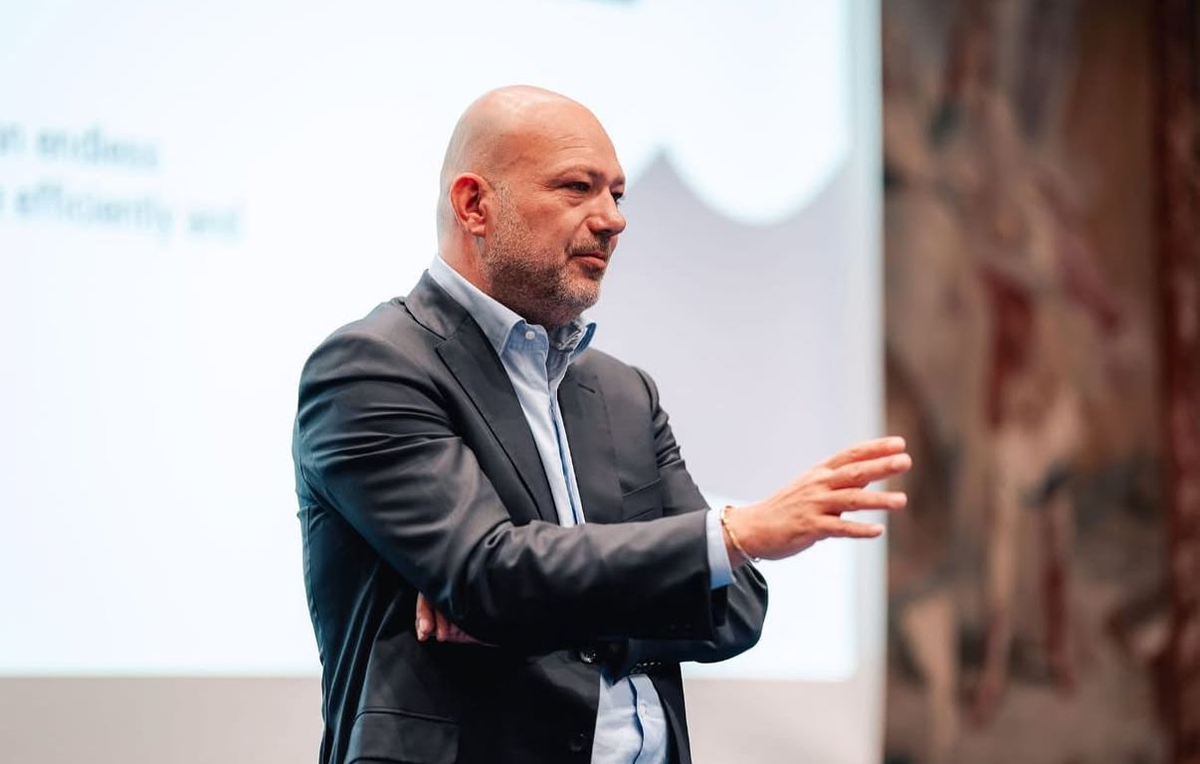
Guus Franke is the executive chairman of Circle8 Group, Europe’s largest IT staffing firm, and its specialist label Swisslinx. With a drive to position Circle8 as the global leader in AI-powered IT execution consultancy and cybersecurity talent solutions, Guus combines a deep technological expertise, with a passion for building world-class teams that empower companies and governments worldwide.
Under his leadership, the group is rapidly expanding beyond Europe into key global tech hubs across North America and Asia. Circle8 already partners with major international banks, governmental agencies, and Fortune 500 companies.
Guus is widely recognised as a trusted advisor on navigating the complex intersection of AI, cybersecurity, and digital transformation — helping organisations protect their infrastructure, data, and people in an evolving threat landscape.
1. Circle8 has grown into one of the largest Technical IT/Cyber staffing companies in Europe in a relatively short period (5 years). Give us some background on how this was achieved and its relevancy to the Cybersecurity community?
We didn’t just grow — we scaled with clear intent and purpose. From day one, I set out with a personal mission: to transform Circle8 into the global leader in AI-powered IT and cybersecurity talent solutions. We focused on deep specialisation, targeted acquisitions, and solving the real problems our clients face — not just filling roles.
What truly sets us apart is execution at speed and precision. Whether it’s a government institution under pressure from regulatory deadlines or a multinational bank facing sophisticated cyber threats, we respond fast and with the right expertise. Recently, we assembled a complete cloud security team for a financial institution in just six weeks — fully compliant with DORA.
Our innovation efforts include proprietary AI-driven talent matching platforms and cyber threat detection solutions currently under development. These tools empower us to identify, assess, and deploy top-tier talent at scale.
Today, we are actively expanding our footprint beyond Europe to North America and Asia, positioning Circle8 as the trusted partner for the world’s most demanding organisations. We already collaborate with major international banks, government agencies, and Fortune 500 companies, proving our global leadership.
My personal drive is to help organisations and governments navigate the impact of AI and cybersecurity — not only to thrive but to protect people, infrastructure, and trust.
2. Given the ongoing cybersecurity skills gap in Europe (estimated to be in the hundreds of thousands of professionals), what specific areas or roles within cybersecurity are experiencing the most acute talent shortages right now?
The biggest shortages are in hybrid skillsets — where technical depth meets strategic oversight. Cloud security is a known bottleneck, particularly securing hyperscale environments like AWS, Azure and Google Cloud. But it goes further: security architects who understand compliance, incident leads with hands-on breach experience, and professionals who can design and defend complex digital infrastructures. Europe doesn’t just lack hands — it lacks minds that can anticipate, respond, and lead under real-time pressure.
3. How are these shortages impacting organisations’ ability to defend against evolving threats?
The impact is already visible. We’ve supported major companies that couldn’t contain cyber threats due to missing key roles — like detection engineers or incident response leads. In some cases, incidents escalated simply because response capacity wasn’t in place.
These shortages don’t just slow organisations down — they leave them exposed. A single weak link, whether in cloud misconfiguration or delayed detection, can open the door to financial loss, reputational damage, and regulatory action.
Cybersecurity is no longer just an IT function — it’s now a board-level responsibility. And if you don’t have the right people in place, you’re playing defence blindfolded.
4. The adoption of AI in cybersecurity is growing. How is the increasing use of AI, both by cybercriminals and security professionals, influencing the demand for specific cybersecurity skill sets? Are we seeing a shift towards more AI-centric roles, and what does this mean for the traditional cybersecurity professional?
AI is rewriting the cybersecurity playbook. Attackers are using AI to automate and scale attacks like never before — from deepfake scams to adaptive malware. On the defensive side, security teams must not only implement AI-driven tools but understand their inner workings and limitations. This shift means cybersecurity professionals must evolve rapidly — blending deep security knowledge with data science and AI literacy. Traditional roles aren’t disappearing; they’re being reinvented. Professionals who embrace AI and learn to interpret its outputs will become the most valuable assets in any security organisation.
5. European regulations like NIS2 and DORA are coming into effect to strengthen cybersecurity. Are these regulatory shifts impacting the demand for cybersecurity talent, particularly in terms of compliance, risk management, and operational resilience roles? Are you seeing a surge in demand for professionals with expertise in these specific regulatory frameworks?
Absolutely. Regulations like NIS2 and DORA are game changers. They’re no longer optional checkboxes but core business requirements that shape security strategy. We see a surge in demand for specialists who can bridge technical cybersecurity with compliance, risk management, and resilience planning.
Organisations need experts who understand the frameworks deeply and can translate regulatory demands into actionable security controls. Those professionals don’t just reduce risk — they create competitive advantage by enabling trust with regulators, customers, and partners.
6. Beyond technical skills, what “soft skills” or transferable competencies are becoming increasingly vital for cybersecurity professionals in the European market? Are employers prioritizing adaptability, communication, or problem-solving more than in previous years, and how does your company identify and foster these qualities in candidates?
Soft skills have become a critical differentiator. Adaptability is key in a field where threats and technologies evolve daily. Effective communication is essential to translate complex risks into business language for decision-makers. Problem-solving under pressure separates the good from the great.
At Circle8 and Swisslinx, we don’t just assess technical skills. Our recruitment process dives deep into behavioural interviews, scenario-based assessments, and past project experiences that demonstrate resilience, creativity, and collaboration. We invest in ongoing training to nurture these competencies — because in cybersecurity, human factors are just as important as technical ones.
7. Looking ahead to the next 3-5 years, what emerging cybersecurity threats or technological advancements do you anticipate will have the most significant impact on the demand for talent in Europe? How is your company preparing to address these future demands, and what advice would you offer to individuals looking to build a career in cybersecurity?
The next 3-5 years will see AI-driven attacks become more sophisticated and prevalent — from automated social engineering to AI-powered supply chain compromises. IoT and operational technology security will also be front and centre as these systems become ubiquitous but remain vulnerable.
To prepare, Circle8 and Swisslinx are deepening our expertise in these emerging areas and investing heavily in specialist training and research. We’re also developing innovative cyber threat solutions to stay ahead of attackers — details I’m excited to share soon.
For individuals, my advice is simple: commit to lifelong learning. Build solid foundations in cybersecurity, then specialise in emerging technologies like AI and cloud security. Cultivate soft skills and seek practical experience — even personal projects count. The future belongs to those who combine technical mastery with curiosity and resilience.
“In a world where technology evolves faster than ever, cybersecurity is no longer just a safeguard — it’s the foundation of trust, resilience, and progress. Those who invest in talent and innovation today won’t just survive the future — they will define it.”
By Guus Franke, executive chairman, Axiom Partners


Most Viewed
The Expert View: Achieving Resilience in the Age of AI and Cyber WarfareSponsored by BT & Zscaler
Europe’s cyber-security crossroads: building resilience through sovereigntySponsored by HarfangLab
The Expert View: Securing the AI-Driven WorldSponsored by Checkpoint


Winston House, 3rd Floor, Units 306-309, 2-4 Dollis Park, London, N3 1HF
23-29 Hendon Lane, London, N3 1RT

020 8349 4363

© 2025, Lyonsdown Limited. teiss® is a registered trademark of Lyonsdown Ltd. VAT registration number: 830519543