


Russian hackers target Ukrainian organisations using stealthy living-off-the-land tactics
A new report reveals that Russian-linked threat actors have been mounting covert campaigns against Ukrainian entities, including a large business services firm and a local government body, using minimal malware while relying heavily on built-in Windows tools and dual-use software.


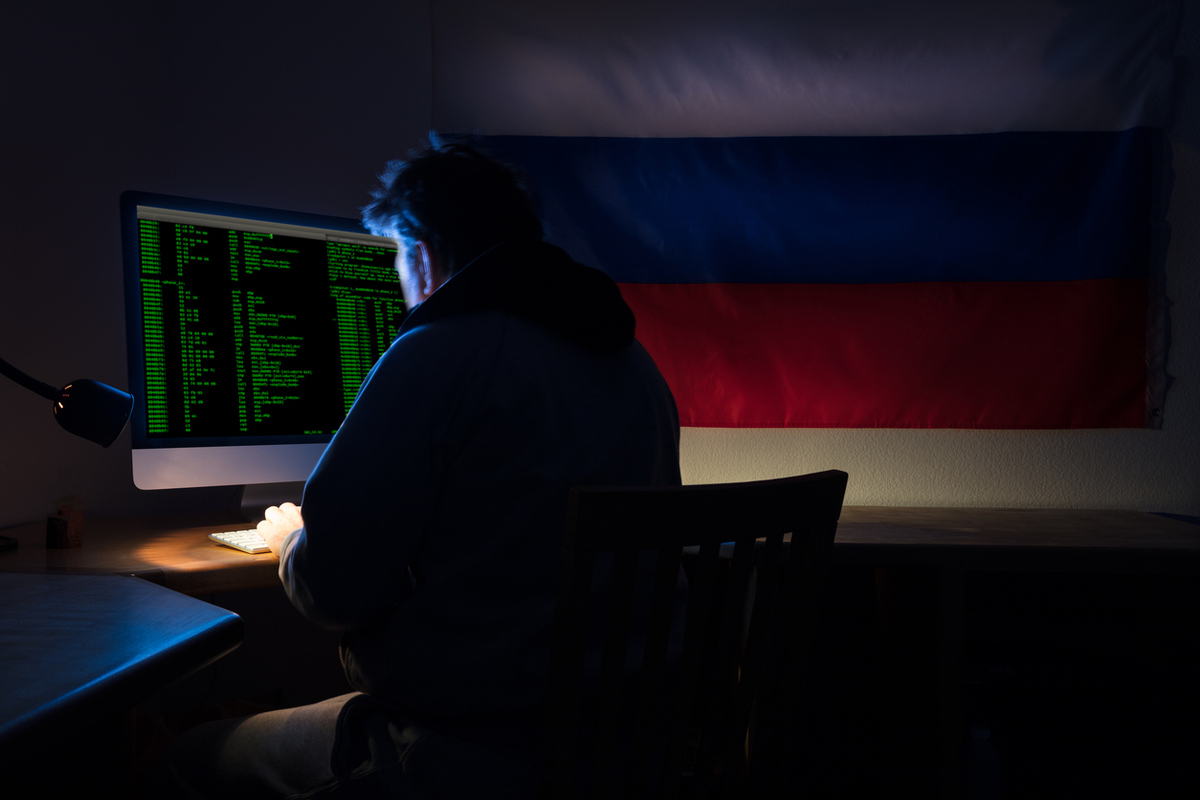
A new report reveals that Russian-linked threat actors have been mounting covert campaigns against Ukrainian entities, including a large business services firm and a local government body, using minimal malware while relying heavily on built-in Windows tools and dual-use software.
The attackers gained an initial foothold by dropping web shells, one variant named “LocalOlive,” connected to the Russia-linked “Sandworm” sub-group, which then enabled delivery of follow-on tools such as Chisel, plink and rsockstun.
Once inside, they executed commands to disable security scans, scheduled periodic memory dumps, enumerated user sessions, installed OpenSSH, opened remote desktop ports and leveraged “living-off-the-land” tactics to minimise traces.
The overarching implication: highly skilled adversaries are capable of deep reconnaissance and credential theft while keeping a very small footprint making detection and mitigation all the more challenging.





Most Viewed
The Expert View: Achieving Resilience in the Age of AI and Cyber WarfareSponsored by BT & Zscaler
The Expert View: Securing the AI-Driven WorldSponsored by Checkpoint
New rules, rising threats: why lean IT teams must rethink cyber-securitySponsored by CORO CYBER SECURITY
Don’t allow AI experiments to become quiet business risksSponsored by alice.io
The Expert View: Transforming security through risk intelligenceSponsored by Obrela


Winston House, 3rd Floor, Units 306-309, 2-4 Dollis Park, London, N3 1HF
23-29 Hendon Lane, London, N3 1RT

020 8349 4363

© 2025, Lyonsdown Limited. teiss® is a registered trademark of Lyonsdown Ltd. VAT registration number: 830519543