


U.S. artificial intelligence giant OpenAI said it was granting access to its latest models including GPT-5.5-Cyber to Deutsche Telekom, BBVA and dozens more European companies to help bolster their resilience to vulnerabilities in their systems.
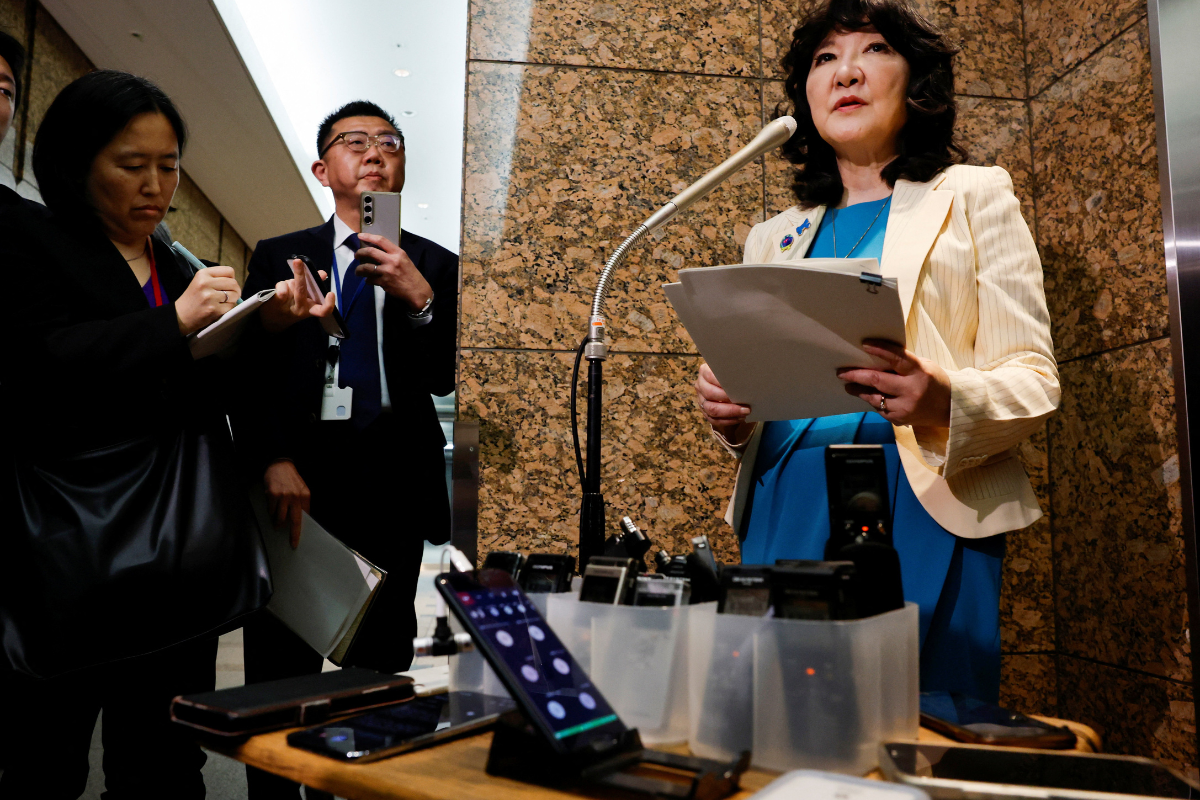
Japan will establish a public-private working group this week to address cybersecurity risks to the financial system posed by Anthropic’s new artificial intelligence model Mythos, Finance Minister Satsuki Katayama said on Tuesday.
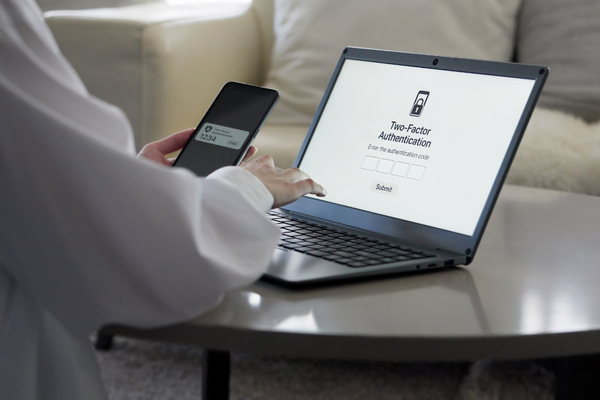
Identity has become the most common entry point for cyber-attacks. Stolen credentials, session hijacking and token abuse are now used more often than traditional exploitation of software vulnerabilities.
Artificial intelligence is quickly becoming part of how cyber-attacks are planned and executed. The shift is not only about speed. It is about who can carry out an attack and how easily they can do it.
Many organisations still approach cyber-security through visible controls such as firewalls, endpoint protection and training completion rates. While essential, these measures address only part of the challenge.
The cyber-security skills shortage remains one of the most persistent challenges facing organisations, driven as much by structural hiring practices as by rising demand.
The UK government has unveiled a new £187 million initiative, dubbed "TechFirst," aimed at embedding advanced technology skills across the education system to address the nation’s critical cyber skills gap.
ChatGPT maker OpenAI is in early-stage discussions about a stock sale that would allow employees to cash out and could value the company at about $500 billion, a source familiar with the matter said.
The global demand for IT cyber specialists continues its relentless rise, driven by an expanding threat landscape and increasingly stringent regulatory pressures.
Microsoft aims to provide 1 million people in South Africa with artificial intelligence (AI) and cyber security training opportunities by 2026, Lillian Barnard, President for Microsoft Africa, said on Thursday.