







While 2024 hinted at growing digital fragility, 2025 removed any remaining doubt. Cyber-security moved decisively from a technical concern to a core business risk, capable of disrupting revenue, operations and trust at speed.
Belgium’s Aikido Security has raised $60 million from investors led by tech-focused private equity firm DST Global at a valuation of $1 billion, the cybersecurity startup said on Wednesday, making it among Europe’s first new unicorns of 2026.
The festive season once meant a slowdown for businesses, but it has become one of the busiest periods for cyber-criminals. As organisations ease into the holidays, attackers ramp up their efforts, planning intrusions and disruptions when response teams are stretched thin.
When Cloudflare goes down, the internet feels the impact instantly. As a reverse proxy, DNS provider and content delivery network (CDN), it manages traffic for millions of websites and services.
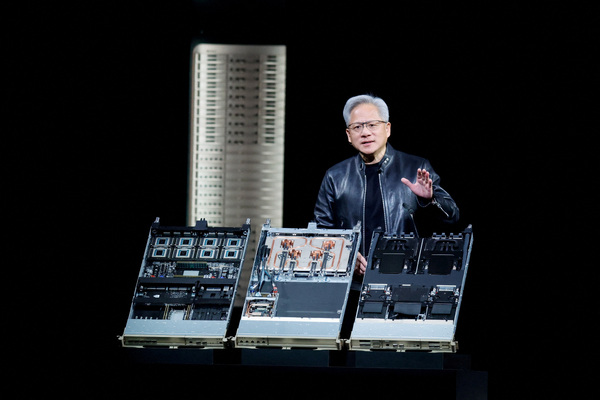
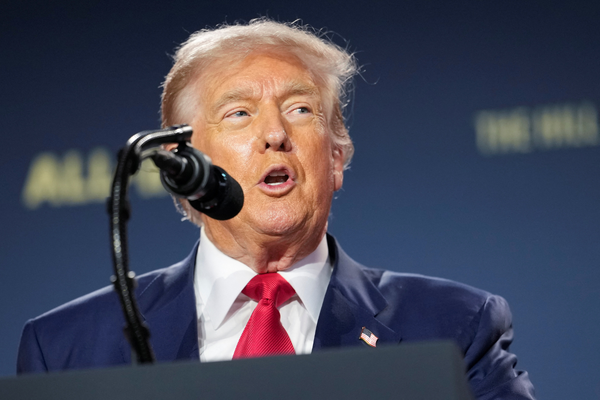
U.S. President Donald Trump’s move to allow exports to China of Nvidia’s second-best artificial intelligence chip, the H200, will spur strong demand from the country’s tech giants, research institutes, and its defence-industrial complex.
Backup plans used to feel like a safety net. If the worst happened, at least the data could be restored. But the past two years have shaken that sense of security.
India’s telecoms ministry has privately asked smartphone makers to preload all new devices with a state-owned cyber security app that cannot be deleted, a government order showed, a move likely to antagonise Apple and privacy advocates.
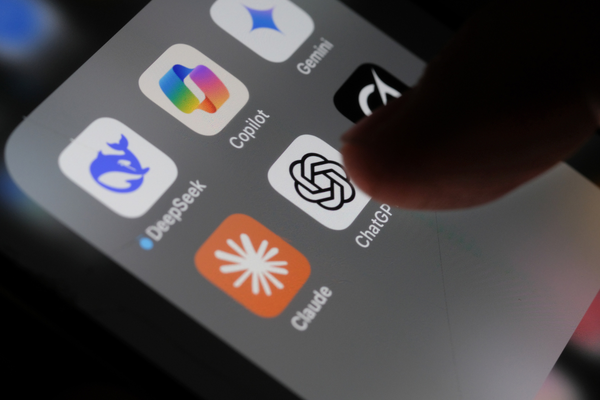
The rapid adoption of artificial intelligence (AI), including large language models (LLMs), is creating new opportunities but also new uncertainties, said Charlotte Wilson, Head of Enterprise Business UKI at Check Point, introducing a TEISS dinner at the Conrad London St James Hotel.
Companies around the globe have ramped up job cuts, with blue-chips from Amazon to Nestle and UPS reining in spending while consumer sentiment dims and AI-focused tech companies start to replace jobs with automation.
Cybersecurity firm F5 forecast annual revenue below Wall Street estimates on Monday, warning that a recent systems breach that triggered alarm over potential risks to U.S. and UK government systems would hurt demand for its services.
Europe’s cyber-defences are not only challenged by external threats. They are undermined by dependencies: on non-European cloud providers, foreign security tools and opaque software supply chains.