


Samsung reaches settlement with Texas over smart TV data collection practices
Samsung and the State of Texas have reached a settlement resolving allegations that the electronics manufacturer unlawfully collected viewing data from consumers through its smart televisions without obtaining proper consent.


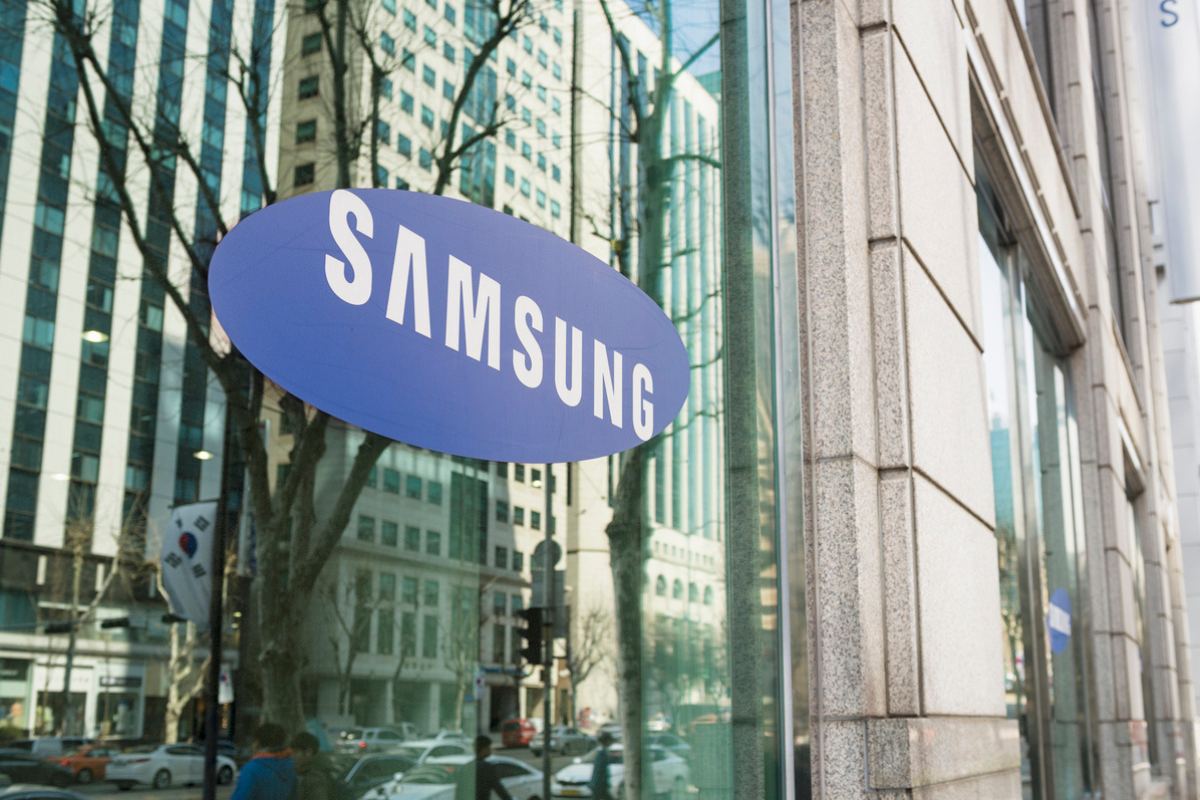
Samsung and the State of Texas have reached a settlement resolving allegations that the electronics manufacturer unlawfully collected viewing data from consumers through its smart televisions without obtaining proper consent.
The agreement requires Samsung to revise its privacy disclosures and halt any collection or processing of Automated Content Recognition, or ACR, viewing data from Texas consumers unless express consent is obtained. The company must also update its smart TVs to implement clear and conspicuous disclosures and consent screens to ensure users can make informed decisions about whether their data is collected and how it is used.
The dispute began in December when Texas Attorney General Ken Paxton filed suit against multiple television manufacturers, including Samsung, alleging violations of the Texas Deceptive Trade Practices Act. The lawsuit centered on the use of ACR technology, which captures screenshots of content displayed on smart TVs to determine what consumers are watching. The collected information can then be used for targeted advertising.
In January, a Texas court issued a temporary restraining order against Samsung to stop the collection of consumer viewing data in the state, finding good cause to believe the company’s practices violated state law. The court determined there was reason to believe Samsung automatically enrolled customers in its viewing data system through the use of so-called dark patterns. Court findings cited a process requiring more than 200 clicks across four or more menus for consumers to access privacy statements and disclosures. The restraining order was vacated the following day, but the broader lawsuit remained active until the settlement was reached.
Samsung Electronics America, the U.S. subsidiary of South Korea-based Samsung Electronics Co., stated that it does not agree that its Viewing Information Services system violated any regulations. The company said it agreed to make enhancements to strengthen its privacy disclosures while maintaining that its existing television privacy policies complied with Texas regulations.
Company representatives emphasized that Samsung televisions do not spy on consumers and that users can control and modify privacy settings at any time.
Paxton said the settlement requires Samsung to stop collecting or processing ACR viewing data without express consent from Texas consumers and mandates updates to disclosure practices. He commended Samsung for agreeing to implement additional consumer safeguards and noted that other manufacturers named in the lawsuit have not yet taken similar action.
The lawsuit also targets other smart TV makers, including Sony, LG, Hisense and TCL Technologies, which have not announced changes in response to the litigation.





Most Viewed
The Expert View: Achieving Resilience in the Age of AI and Cyber WarfareSponsored by BT & Zscaler


Winston House, 3rd Floor, Units 306-309, 2-4 Dollis Park, London, N3 1HF
23-29 Hendon Lane, London, N3 1RT

020 8349 4363

© 2025, Lyonsdown Limited. teiss® is a registered trademark of Lyonsdown Ltd. VAT registration number: 830519543