
If AI absorbs the tasks that have been traditionally training new cyber-security professionals, how do we develop the next generation of expert talent?
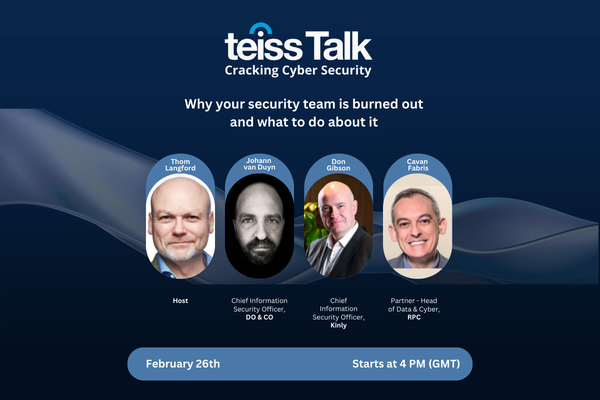
In this teissTalk, CISOs and cyber leaders examine why burnout is rising across security teams, how constant alerts and growing responsibilities are driving stress, and what organisations can do to build more resilient teams before burnout becomes a security risk.
T-Mobile added fewer wireless subscribers in the fourth quarter than analysts had expected, as rivals extended aggressive deals and offers to lure customers.
Many organisations still approach cyber-security through visible controls such as firewalls, endpoint protection and training completion rates. While essential, these measures address only part of the challenge.
Cyber-insurance has evolved from a financial safety net into a practical test of operational resilience, with insurers increasingly using underwriting to drive stronger security practices rather than simply pricing risk.
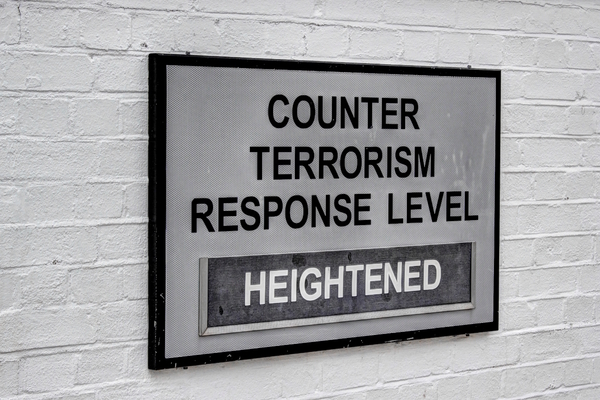
People with backgrounds in intelligence and counterterrorism already have the right aptitudes and mindset and only require training in sector-specific knowledge
Investing in apprenticeships will allow the cyber-security industry to address the skills shortage while also cultivating a diverse and highly skilled workforce
A strong governance framework is your best defence against an AI project going rogue, whether through a dodgy product or good old fashioned human error