
Open-source AI agents are moving rapidly from research prototypes to enterprise deployment. Unlike static chatbots, these systems can plan tasks, call tools, execute code and iterate towards objectives with limited human input.
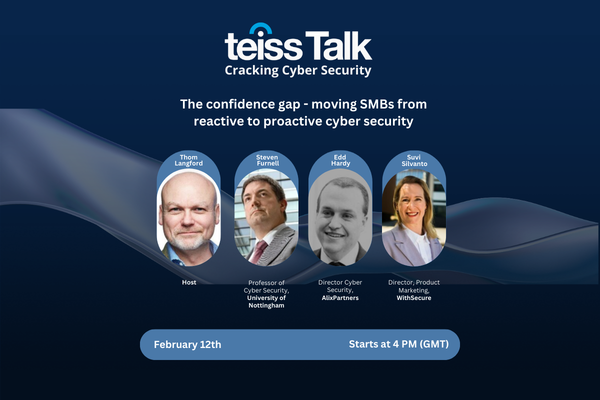
The panel discusses zero-day exposure, the realities of patching and rebooting, weak backup practices, shadow IT, and why Zero Trust is more a mindset than a budget line item.
Artificial intelligence is now embedded across UK organisations, from generative assistants to automated analytics and code generation tools. Efficiency gains are real.But AI is also reshaping the insider threat landscape by amplifying both accidental exposure and deliberate misuse.
Palo Alto Networks trimmed its annual profit forecast on Tuesday, signaling rising costs from recent acquisitions to enhance AI capabilities, sending the cybersecurity company’s shares down nearly 8% in extended trading.
AI’s deep integration into business logic and high-value processes is delivering substantial benefits in terms of efficiency and insight, but it has also expanded the attack surface
While 2024 hinted at growing digital fragility, 2025 removed any remaining doubt. Cyber-security moved decisively from a technical concern to a core business risk, capable of disrupting revenue, operations and trust at speed.
For many organisations, cyber-risk has become a standing item on the board agenda; but the conversation is still often driven by perception rather than data.
Singapore’s four telecom companies, Singtel, StarHub, M1 and Simba Telecom, were targeted by cyber espionage group UNC3886 in attacks last year, Singapore’s Cyber Security Agency said on Monday.
As organisations rely more and more on IT ecosystems to support their digital transformation, middleware components have become crucial to effectively support applications, data sharing and transactions