




Anna Webb at Kocho explains why proactive security is essential for SME cloud modernisation
Many of the UK’s SMEs want to increase innovation through cloud adoption but are held back by concerns around cyber-security. They see how cloud-migration, AI platforms and SaaS applications can help them develop new services and competitive advantage but lack the expertise to fulfil their ambitions.
Market researchers at Mordor Intelligence estimate that UK SMEs’ adoption of cloud computing will expand at a compound rate of nearly 21% through 2030. But they also note that SMEs lack cyber-security and cloud expertise and are worried about the frequency of cyber-attacks and the potential for compliance failures.
They may have a point about the frequency of attacks. This year’s Cyber Breaches Survey for the UK government’s DSIT department found 42% of the UK’s small businesses and 67% of medium-sized businesses identified a breach or attack in the past year.
It’s no wonder many SMEs approach cloud adoption with caution. Building cyber-security confidence - moving beyond box-ticking and defensive security to trust that security enables growth - is essential if the cloud is to become a platform for innovation rather than a source of risk. Without it, the time and money spent on managing and securing unfamiliar architectures can bleed value from transformation initiatives.
Innovation doesn’t have to be slowed down by security concerns. With the right approach, SMEs can adopt the cloud securely by tackling the most exposed systems first and expanding protections across the business.
That means moving away from outdated perimeter-led defences. Modern environments demand a proactive stance – identity-first security combined with extended detection, response, and threat hunting.
For many SMEs, the most practical step is to bring in specialist expertise. Managed security partners, for example, can help with uncovering gaps, provide round-the-clock monitoring and align operations with trusted frameworks such as MITRE, CIS, and Zero Trust. This strengthens defences while also giving auditors confidence.
That said, compliance isn’t the final goal. Passing a standard doesn’t guarantee resilience against a live attack. True security lies in the ability to detect, contain, and demonstrate a response when it matters. In this way, compliance becomes the natural outcome of a stronger and more confident posture.
With the need for proactive, continuous security clear, the question becomes how to achieve it. The starting point is identity, which acts as the control point for everything that follows. Most breaches stem from compromised accounts, and without strong authentication, governance and conditional access, the promise of the cloud can quickly turn into risk.
Identity alone, however, is not enough. Once attackers gain a foothold, they rarely remain at the edge of a system. Lateral movement across accounts and platforms, often using legitimate credentials, means detection has to be smarter and faster. This is where extended detection and response (XDR) has become increasingly valuable.
By correlating signals from identities, endpoints, networks and SaaS platforms, XDR can surface early warning signs and correlate them into a single incident. What once took days of manual investigation can now be resolved in minutes.
These measures have to be reinforced by robust data protection. As businesses shift from file servers to cloud databases and SaaS platforms, they need confidence that sensitive information is safeguarded wherever it travels. Encryption, classification and governance controls all help ensure data is compliant and trusted.
These foundations come together in the Zero Trust model. Instead of static defences, Zero Trust applies continuous verification and least-privilege access, adapting protections as the organisation evolves. It turns identity and data safeguards into a living, resilient security posture.
Finally, as cloud-native applications proliferate, security must be embedded into development. DevSecOps ensures that innovation doesn’t open fresh vulnerabilities, embedding secure practices into pipelines, so that speed and resilience advance together.
Specialist support can provide an additional layer of strength. Expertise in identity, detection and incident response, supported by tools such as SIEM and XDR, helps organisations create playbooks that coordinate defences and contain sophisticated attacks more effectively.
Security and compliance should never be a one-time check, however. For SMEs, this means moving beyond an ‘annual exam’ approach and embracing a continuous, proactive strategy. The methods these businesses use must evolve in real time to keep pace with risks and regulatory changes as they emerge.
Cyber-threats delivered via social engineering, phishing and obfuscation techniques are constantly developing, made more convincing by AI. At the same time, security frameworks, regulations, and standards, are regularly updated.
SMEs seeking to innovate through cloud adoption can be more confident once they have ensured modernised, proactive security and compliance are in place. With these foundations, they move beyond compliance and into true cyber-security confidence - knowing their security posture is resilient enough to unlock growth rather than restrict it.
Anna Webb is Head of Global Security Operations at Kocho
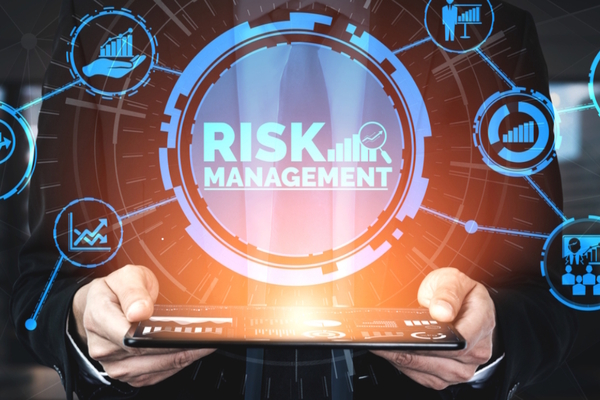
Main image courtesy of iStockPhoto.com and JoyImage
© 2025, Lyonsdown Limited. teiss® is a registered trademark of Lyonsdown Ltd. VAT registration number: 830519543