


CEVA cyber-attack shows how provider disruption spreads
The incident affected eight European warehouses, but its consequences reached retailers, financial firms and their customers through delayed shipments and exposed delivery data


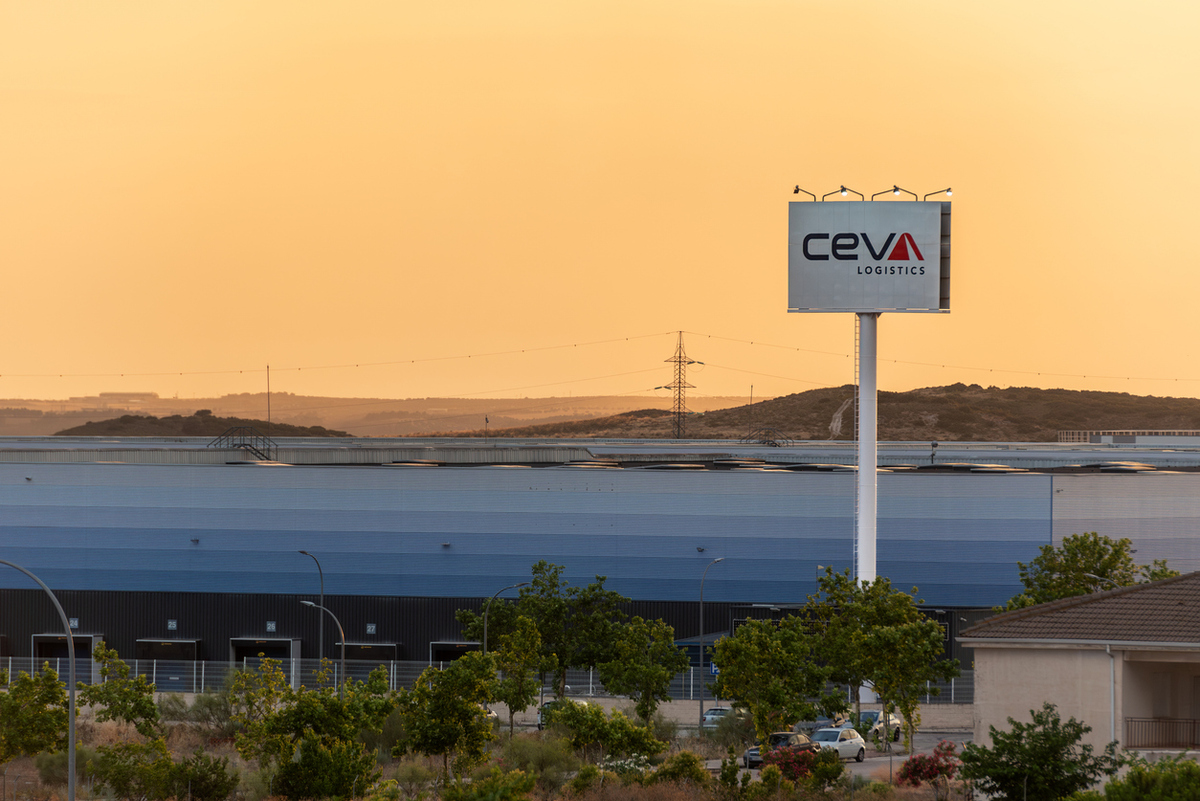
A cyber-attack on CEVA Logistics has disrupted warehouse operations and delayed shipments across Europe, showing how quickly an incident at a major service provider can become a wider operational problem.
The attack affected part of CEVA’s European contract logistics business, including eight warehouses used to store and distribute products for other companies. According to Computing, CEVA identified the intrusion on 1 August and activated its security measures, while some affected applications and services have since been restored.
FreightWaves reported that the intrusion began on 29 July and caused delays for customers with goods stored at the affected facilities. CEVA’s air, ocean, ground and rail transport management operations continued running, and no other warehouses were known to have been affected.
The disruption was limited within CEVA’s global network, but the consequences spread through the businesses relying on those locations.
Dutch e-commerce company bol suspended data exchanges with CEVA and temporarily removed products held at affected facilities from sale. Some orders were delayed or cancelled. Department store De Bijenkorf warned customers that orders, returns and refunds could take longer to process.
Other organisations, including the football club AFC Ajax, banking multinational ING and videogames publisher Valve, reported that customer delivery information may have been accessed. The potentially exposed data included names, addresses, telephone numbers, email addresses and order details. CEVA has yet to disclose who carried out the attack or whether a ransom was demanded.
When stock becomes inaccessible
A modern warehouse depends on applications that receive orders, locate inventory, produce picking instructions, arrange dispatch and update customers. When these systems become unavailable, products can remain physically present while the businesses that own them lose the ability to sell or move them.
This creates an unusual form of operational dependency. A retailer’s website, payment systems and internal network may continue to work, but orders still fail when its logistics provider cannot release the stock. Returns, refunds and customer support can also slow because each process depends on accurate information about the movement of goods.
The effect varies between customers. A company using several warehouses or distribution partners may redirect orders. One that relies heavily on a single facility can face a much larger interruption, even when the provider’s overall network remains largely operational.
The data exposure adds another layer of risk. Delivery information gives criminals useful material for convincing phishing messages. A customer already waiting for a delayed parcel may be more likely to trust a fraudulent request for an address confirmation, additional fee or revised delivery time.
Valve warned affected Steam customers to expect fake emails, text messages or calls following the incident. This connection between operational disruption and fraud should form part of customer communications after a logistics breach.
Planning for a provider outage
Companies need to know which products, markets and customer services depend on each logistics provider and warehouse. This information determines where a disruption will be felt first and how long the business can continue before orders begin to accumulate.
Continuity arrangements may include alternative warehouse capacity, additional carriers, access to recent inventory records and procedures for releasing urgent shipments manually. Keeping a limited stock of important products elsewhere can also provide time to move operations.
Contracts should set clear expectations for incident notification, service restoration and access to operational data during an outage. They should also explain how a customer can retrieve or transfer its inventory if a disruption lasts longer than expected.
These arrangements need regular testing. An alternative provider offers little protection if moving stock requires unavailable data, incompatible systems or approvals that have never been exercised.
CEVA operates more than 1,000 warehouses, yet disruption at eight locations was enough to delay orders and force customers to suspend parts of their operations. The scale of an incident at the provider gives only part of the picture. Its importance depends on what each customer has concentrated behind the affected systems.
Companies hand logistics providers their stock, customer data and delivery promises. Therefore, resilience planning must cover all three.
Your Next Read
Related Articles
Teiss Talk

Closing the exposure window — unifying continuous threat exposure management

Trusting your AI agents

The blind spots in your stack - why fragmented data security fails

Winston House, 3rd Floor,
Units 306-309, 2-4 Dollis park,
London, N3 1HF
020 8349 4363
© 2026, Lyonsdown Limited. teiss® is a registered trademark of Lyonsdown Ltd. VAT registration number: 830519543